Peanut Processing Machinery WhatsApp: 8613954503673 E-mail: sales@xtpeanutmachine.com sales001@xtpeanutmachine.com
Peanut Processing Machinery WhatsApp: 8613954503673 E-mail: sales@xtpeanutmachine.com sales001@xtpeanutmachine.com
Sep. 24, 2026
Peanut butter is a widely popular food product, extensively used in sandwiches, baked goods, confectionery, sauces, snack foods and other fields. During peanut butter production, peanuts go through roasting, grinding and other processes, which usually raise the product temperature. Therefore, proper cooling of peanut butter is critical before filling, packaging or further processing.
A peanut butter cooling machine is food processing equipment specially designed to reduce the temperature of peanut butter. It delivers efficient and stable cooling for freshly ground peanut butter while helping maintain the ideal viscosity, texture and quality of the paste.
This article elaborates on the working principle, core advantages, application scope of peanut butter coolers, as well as key considerations for equipment selection.
What is a Peanut Butter Cooling Machine?
A peanut butter cooling machine is temperature-control equipment applied in peanut butter production. During peanut butter grinding, friction between peanut butter and grinding components raises the product temperature. If overheated peanut butter flows directly into filling machines, it may compromise filling performance, product viscosity, packaging efficiency and the quality of the final product. The peanut butter cooler removes heat from peanut butter via heat exchange, bringing the product down to a temperature ideal for subsequent filling operations.
The peanut butter cooling machine can operate as a standalone unit or be connected with grinders, storage tanks, filling machines and other equipment to form a complete peanut butter production line.
Temperature control is a critical step in peanut butter manufacturing. After peanuts are ground, the temperature of peanut butter rises significantly. Without proper cooling, the following issues may occur:
Changes in peanut butter viscosity
Impaired filling accuracy
Excessively high product fluidity
Deteriorated taste and texture of peanut butter
Heat-induced adverse impacts on certain ingredients and flavors
A well-designed cooling process brings peanut butter to the optimal processing temperature for later storage and filling.
How Does a Peanut Butter Cooling Machine Work?
Different types of peanut butter cooling equipment vary in structure and cooling methods, yet they all rely on heat exchange to lower peanut butter temperature.
Hot peanut butter enters the cooling system Freshly ground peanut butter is delivered into the cooler through food-grade transfer pumps or other conveying devices. Continuous feeding can be realized by automatic conveying systems for continuous peanut butter production lines.
Heat exchange takes place Once inside the cooling unit, peanut butter undergoes heat exchange against cooling surfaces or the cooling system. Heat from the peanut butter is transferred away to achieve cooling.
Peanut butter temperature gradually drops The temperature of peanut butter reduces progressively as it passes through the cooling equipment. Peanut butter is a high-viscosity food material, so temperature and cooling rate must be properly regulated during cooling to prevent low temperature from harming product fluidity.
Cooled peanut butter proceeds to the next production stage Once peanut butter reaches the preset processing temperature, it moves on to subsequent processes: Cooling → Storage → Filling → Capping → Labeling → Packaging
This makes the cooling machine an important part of an automated peanut butter processing system.
1.Efficient Product Temperature Control
The peanut butter cooling machine achieves stable cooling for freshly ground peanut butter, bringing the product to an optimal processing temperature.
2.Suitable for Continuous Production
For medium and large peanut butter manufacturers, the cooler can be directly integrated into automated production lines to enable continuous production. This not only cuts labor costs but also boosts the productivity of the whole production line.
3.Helps Maintain Product Stability
Stable temperature control preserves the proper viscosity and texture of peanut butter, ensuring greater stability in subsequent conveying, storage and filling processes.
4.Improves Filling and Packaging Efficiency
When peanut butter stays within the proper temperature and viscosity range, product transfer and automatic filling run more smoothly. Therefore, properly configured cooling equipment can lift the overall efficiency of the production workflow.
5.Complies with Food Processing Hygiene Requirements
Industrial peanut butter coolers are generally built from food-grade materials. Product-contacting parts adopt easy-to-clean designs to meet hygiene standards of the food processing industry.
6.Integratable into Complete Production Lines
Peanut butter coolers can work in tandem with the following equipment:
Peanut roasting machine
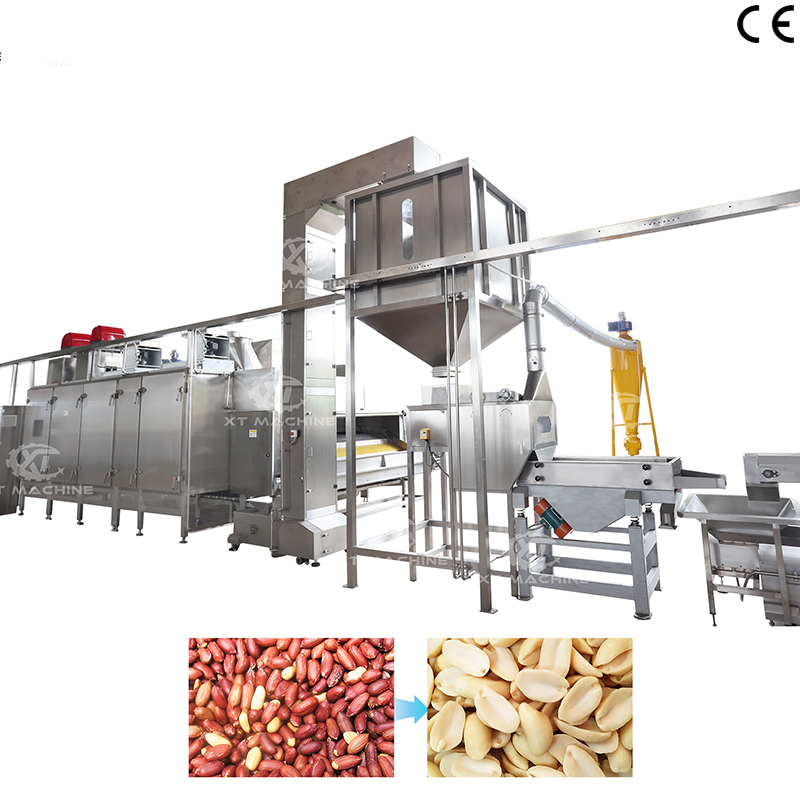
Peanut peeling machine
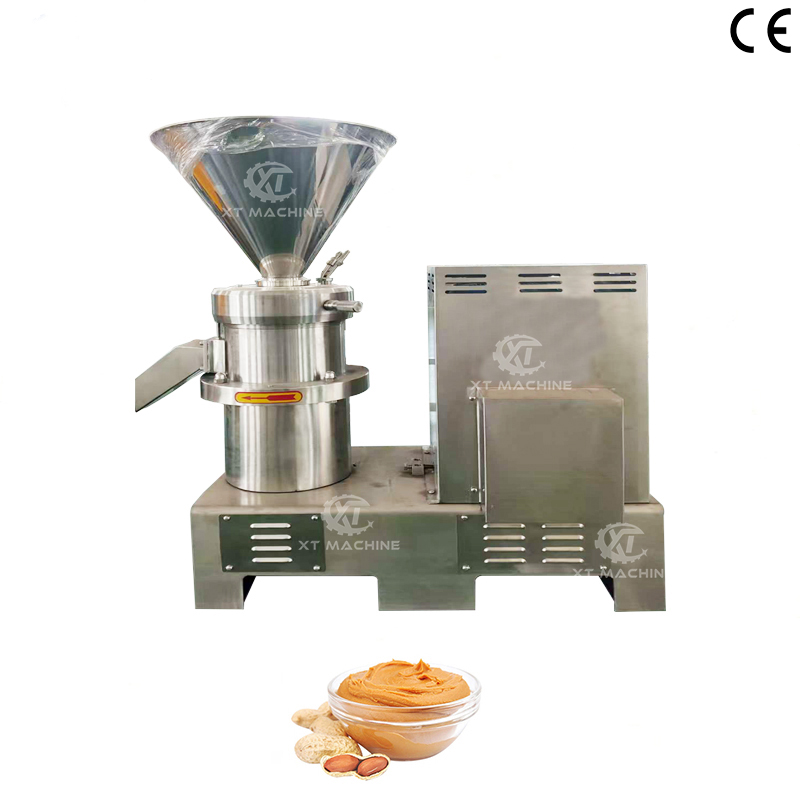
Peanut butter grinding machine
Peanut butter mixing tank
Peanut butter cooling equipment
Peanut butter degassing system
Filling machine
Capping machine
Aluminum foil sealing machine
Labeling machine
This allows manufacturers to build a complete automated peanut butter production line.
What Products Can a Peanut Butter Cooling Machine Process?
Peanut butter cooling equipment is primarily designed for peanut butter production. Depending on machine structure and configuration, it can also handle many types of nut pastes, including:
Cashew butter
Almond butter
Pistachio butter
Hazelnut butter
Sesame paste
Other multi-flavor nut pastes
Depending on the machine configuration, cooling systems can also be customized for different product viscosities and production capacities.
Peanut butter manufacturers of various scales have different requirements for equipment capacity. Therefore, the following parameters should be prioritized when selecting equipment:
Production Capacity: First, define the required production capacity, such as kg/h or tons per day.
Inlet Temperature: It is necessary to know the actual temperature of peanut butter before it enters the cooler.
Outlet Temperature: Determine the target temperature that peanut butter needs to reach after cooling.
Product Viscosity: Peanut butter is a high-viscosity food. The cooling system must adapt to the processing characteristics of high-viscosity materials.
Cooling Method: Select a suitable cooling method according to production scale, product features and process requirements.
Automation Level: Large production lines may opt for functions including automatic feeding, automatic temperature control and automatic discharging to reduce manual work.
Cleaning and Maintenance: Parts in contact with food shall be made of materials compliant with food processing standards and easy to disassemble, clean and maintain.
Before purchasing a peanut butter cooling machine, it is recommended to provide detailed production information to the equipment manufacturer.
Key information includes:
Required production capacity
Type of peanut butter product
Temperature of peanut butter upon entering the cooler
Target temperature after cooling
Product viscosity
Available factory space
Factory power supply conditions
Automation requirements
Conditions for cooling water or other cooling media
Whether connection with the existing peanut butter production line is needed
Providing these details allows the equipment manufacturer to recommend a suitable cooling configuration instead of selecting equipment based only on machine size.
It is mainly used to reduce the temperature of freshly processed peanut butter to a level suitable for storage, filling or further processing.
Yes. Subject to the specific structure and configuration of the equipment, it can also process various nut butters such as cashew butter, almond butter, pistachio butter and hazelnut butter.
Yes. The cooler can be installed between the grinder and storage tank / filling machine. Together with transfer pumps, storage tanks, filling equipment and other units, it forms a complete automated production system.
A Peanut Butter Cooling Machine plays an important role in modern peanut butter processing. By efficiently controlling the temperature of freshly produced peanut butter, it can help improve product handling, filling performance, production consistency, and overall processing efficiency.
For peanut butter manufacturers, choosing the right cooling equipment requires more than simply looking at machine capacity. Product viscosity, inlet and outlet temperatures, production capacity, cooling method, automation level, hygiene requirements, and compatibility with the existing production line should all be considered.
If you are planning to build or upgrade a peanut butter production line, selecting a suitable cooling system can help create a more stable and efficient production process.
If you are searching for peanut butter cooling equipment, automated peanut butter production lines, or customized peanut butter processing solutions, please feel free to contact us for more details.
Company: Yantai Xinteng Machinery Manufacturing Co., Ltd.
Website: peanutprocessingmachines.com
Email: sales002@xtpeanutmachine.com
WhatsApp: +86 13780905717
Previous: None
Next: How to Improve Production Efficiency with an Automated Peanut Butter Production Line
Navigation
WhatsApp: 8613954503673
Tel: +86 13954503673
E-mail: sales@xtpeanutmachine.com
Add: No.8, Jinshajiang Road, Yantai ETDZ, China
E-mail: sales001@xtpeanutmachine.com
Follow Us